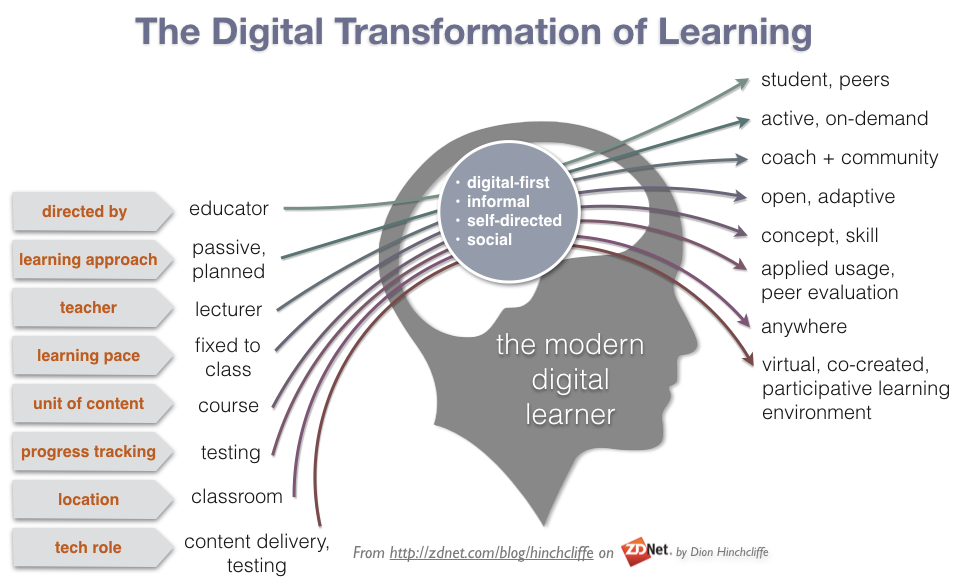
Digital resources have expanded access to education by removing geographical and time-related barriers. Online courses, learning platforms, and digital libraries allow learners to access knowledge from anywhere in the world.
These resources support flexible learning schedules and self-paced study. Students can revisit materials, explore additional content, and learn according to their individual needs. This flexibility benefits both traditional students and working professionals.
Digital education also promotes inclusivity. Learners who previously lacked access to quality education can now participate in global learning communities. Assistive technologies further support diverse learning needs.
Educators benefit from digital resources through improved content delivery and assessment tools. Analytics provide insights into engagement and progress.
By expanding access, digital resources support lifelong learning and educational equity.